
 English
 中文简体
中文简体As building renovation and energy-efficiency requirements continue to influence construction projects, doors are being evaluated for more than appearance and basic access. For developers, contractors, distributors, and project buyers, a suitable PVC Door needs to work with the building envelope, local climate, daily traffic, installation conditions, and long-term maintenance plans. Recent building policies are placing greater attention on energy performance and renovation, while the PVC door and window industry is also looking more closely at material efficiency and recycling. These changes make door selection an increasingly practical engineering decision.
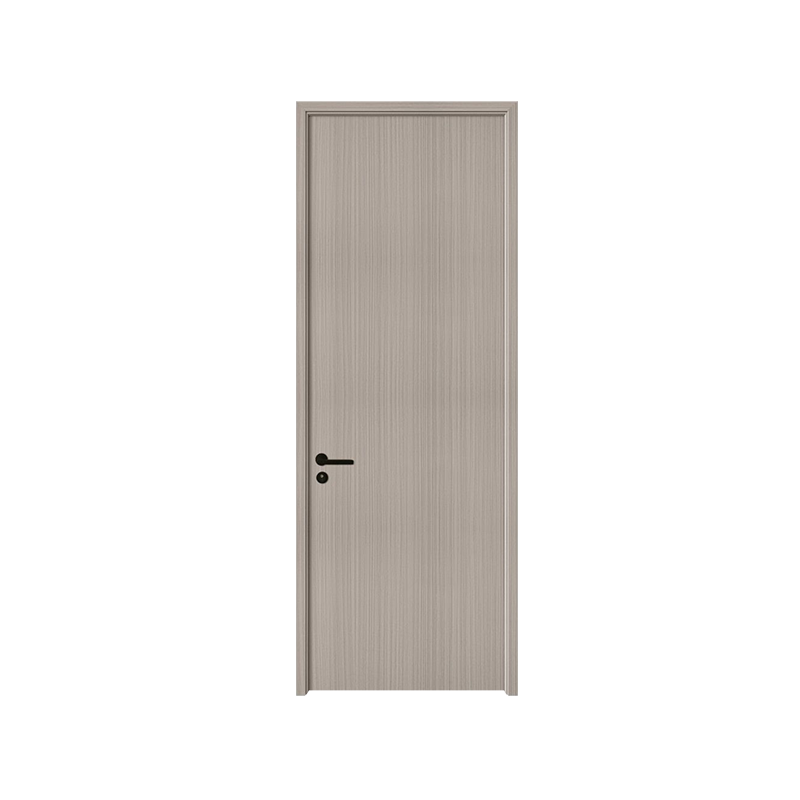
Start With the Building and Its Climate
The same door specification may not be suitable for every project. Residential buildings, commercial entrances, utility areas, and other applications can have different requirements for insulation, weather resistance, security, and frequency of use.
Buyers should first consider the local climate and installation environment. Temperature changes, rain, humidity, wind exposure, and sunlight can influence how the door and its sealing system perform over time. Defining the application early allows the manufacturer to recommend a configuration that matches the actual project instead of relying on a general-purpose design.
Pay Attention to Frame and Sealing Performance
A door's performance depends on the relationship between the frame, panel, seals, hardware, and installation. Even a well-designed profile can perform poorly if the sealing arrangement is unsuitable or the door is incorrectly installed.
For project procurement, several details deserve attention:
- Profile structure and wall thickness
- Sealing arrangement and gasket compatibility
- Door panel construction
- Hardware and locking configuration
- Connection between frame and surrounding wall
- Installation method and adjustment requirements
Looking at these elements together gives buyers a more realistic understanding of the finished door system.
Energy Efficiency Starts With the Whole Assembly
Energy performance is becoming a stronger consideration in renovation and new construction. The European Commission's 2026 building-energy updates specifically emphasize improving building performance, including measures such as new windows, insulation, and other upgrades.
For door buyers, this means insulation should not be considered only as a material specification. Frame design, panel construction, sealing, glazing where applicable, and installation quality can all influence the final result. A door should be selected as part of the building envelope rather than as an isolated product.
Durability Depends on Everyday Use
A door installed in a private residence may experience very different operating conditions from one used in an apartment entrance, office, workshop, or commercial building. Frequent opening and closing, cleaning, impact, moisture, and hardware operation can all affect maintenance requirements.
Instead of asking whether a door is simply “durable,” buyers should discuss the expected usage pattern with the manufacturer. This makes it easier to determine appropriate hardware, reinforcement, sealing components, surface treatment, and maintenance arrangements for the project.
Material Selection Also Affects Sustainability
Sustainability is becoming a broader purchasing consideration for construction products. Recent industry discussions around PVC windows and doors have focused on recycling, material recovery, and maintaining product performance while incorporating more circular material practices.
For buyers, this creates a useful distinction between a product's initial material choice and its complete life cycle. Questions about production waste, material composition, recyclability, expected service life, and end-of-use handling can provide a more complete picture when comparing suppliers.
Installation Should Be Included in the Specification
Many door problems are not caused by the door alone. Incorrect opening dimensions, poor alignment, unsuitable fixing, inadequate sealing, or insufficient adjustment can affect operation and weather performance after installation.
For this reason, manufacturers should communicate installation requirements clearly before production. Project buyers can reduce installation problems by confirming opening dimensions, wall conditions, fixing methods, threshold requirements, and hardware arrangements before placing a bulk order.
Choose a Door That Fits the Complete Project
A suitable PVC Door should balance thermal performance, sealing, structural design, appearance, daily operation, installation, and long-term maintenance. As construction projects place more attention on building energy performance and material efficiency, buyers can benefit from discussing the complete application with an experienced manufacturer rather than selecting a door based only on profile appearance or initial purchase price. For manufacturers, understanding the project's environment and installation conditions is equally important for delivering a PVC door that fits the intended application.
