
 English
 中文简体
中文简体Doors influence more than the appearance of a building. Poor sealing, unsuitable frame dimensions, or inconsistent installation can contribute to drafts, outside noise, moisture entry, and unnecessary heating or cooling demand. For property developers, building material distributors, contractors, and renovation companies, choosing a PVC Door involves evaluating how the complete door system performs under real installation conditions. Material quality matters, but frame design, sealing components, hardware, and manufacturing accuracy also affect the finished result.
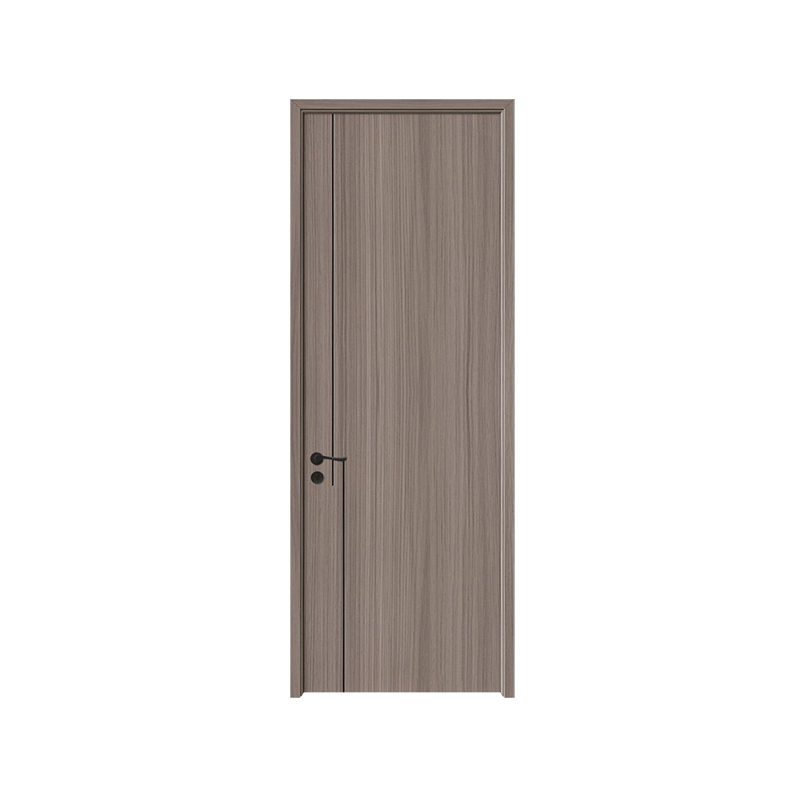
Check the Frame and Opening Dimensions First
A door must fit the intended opening while leaving the correct allowances for installation and adjustment. If the frame dimensions do not match the building conditions, installers may struggle to achieve proper alignment or consistent sealing.
Before ordering, buyers should confirm the opening dimensions, wall construction, installation method, and required opening direction. Projects involving replacement doors may also need to account for irregular existing openings or differences between the original and replacement frames.
As a manufacturer, reviewing these details before production helps reduce avoidable sizing errors. Accurate drawings and confirmed measurements also make communication between the buyer, installer, and production team more straightforward.
Give Sealing Design the Attention It Deserves
Air and water performance depend partly on how the door leaf, frame, seals, and threshold work together. Gaps around the perimeter can reduce comfort and allow drafts or moisture to enter, even when the door itself is made from suitable materials.
Buyers should review the sealing arrangement, the contact between the door leaf and frame, and the design of the bottom section. The appropriate configuration may differ depending on whether the door is intended for an exterior entrance, balcony, utility area, or interior application.
Manufacturers should ensure that the selected components are compatible with the door profile and intended use. Clear product specifications help buyers understand the expected performance and identify which requirements need verification.
Consider Climate and Daily Exposure
A PVC Door may be installed in environments with different temperature ranges, sunlight exposure, rainfall, and humidity. These conditions can influence the requirements for profiles, hardware, seals, and overall construction.
For exterior applications, buyers should explain the expected exposure conditions and ask about the product's suitability for the intended environment. Color, surface finish, and maintenance expectations may also affect the choice of configuration.
Manufacturers can use this information to recommend appropriate options within the product range. Rather than assuming that one design suits every location, selection should reflect the actual installation environment and relevant performance requirements.
Select Hardware for the Intended Use
Hinges, locks, handles, and other hardware affect how a door opens, closes, and remains aligned during regular use. Hardware that does not match the door's dimensions, weight, or operating frequency may contribute to difficult operation or premature adjustment needs.
For commercial projects and residential developments, buyers should consider the expected frequency of use, security requirements, and ease of maintenance. The hardware layout should also be compatible with the door profile and installation details.
A manufacturer should confirm the available hardware configurations and their compatibility with the selected door design. This helps purchasing teams avoid treating hardware as an interchangeable detail after the main product has already been specified.
Review Manufacturing Accuracy Before Installation
Even well-chosen materials can produce inconsistent results if profiles are cut inaccurately, corners are poorly assembled, or hardware positions vary. These issues may affect alignment, appearance, and the way the door closes.
Manufacturing quality control should include checks relevant to the finished product, such as overall dimensions, frame squareness, joint condition, hardware installation, and opening and closing operation. The inspection plan should reflect the product design and agreed specifications.
For buyers placing repeat orders, consistent production standards are especially important because doors from different batches may need to fit the same project requirements.
Plan Delivery and Installation Together
Door performance depends on how the product is handled after manufacturing. Poor storage, impact during transportation, or unsuitable installation practices can damage surfaces and affect frame alignment.
Before shipment, buyers should confirm packaging protection, product labeling, delivery quantities, and any handling requirements. Installers should receive the relevant fitting instructions and verify the opening conditions before fixing the frame permanently.
Coordinating these steps helps reduce avoidable damage and makes it easier to identify whether a problem originates from the product, transportation, or installation process.
Choose a PVC Door Based on the Complete System
A suitable PVC Door combines appropriate profile design, reliable sealing, compatible hardware, accurate manufacturing, and correct installation. For overseas buyers, discussing dimensions, climate exposure, operating requirements, and project specifications with the manufacturer provides a stronger basis for product selection. Evaluating the complete door system rather than appearance alone helps buyers match their purchase to the building's practical needs and establish clearer expectations for long-term use.
