
 English
 中文简体
中文简体Building projects rarely share exactly the same requirements. Residential developments, apartment renovations, hotels, offices, and commercial facilities may need different door dimensions, opening directions, colors, and hardware configurations. For distributors and construction material buyers, managing these differences can become complicated when several door models are required within one order. A PVC Door manufacturer that can coordinate specifications, customization, and production consistency helps buyers organize procurement more efficiently while keeping each configuration aligned with its intended application.
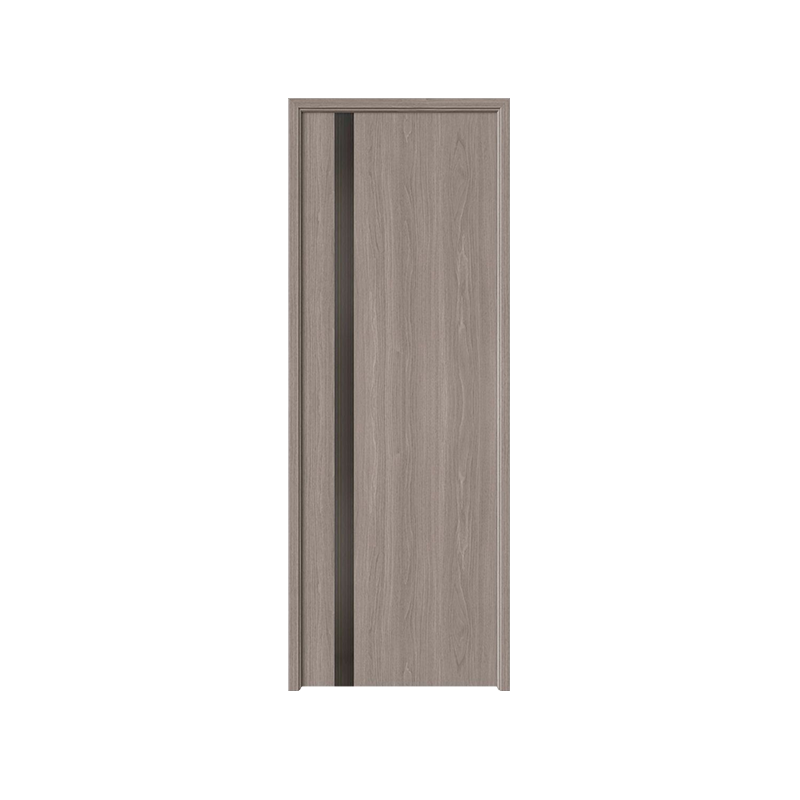
Define the Door Schedule Before Ordering
A door schedule provides a practical starting point for customized orders. Instead of describing every product separately through informal messages, buyers can list the required dimensions, quantities, opening directions, colors, and intended installation locations.
This is particularly useful for projects involving multiple rooms or building areas. A door intended for a bathroom may have different privacy and ventilation requirements from an exterior entrance or a general interior opening.
Manufacturers can use a clear schedule to review the requested configurations and identify missing information before production begins. Confirming these details early helps reduce specification changes after materials and production arrangements have been prepared.
Choose Dimensions That Match the Installation
Standard sizes can simplify purchasing, but some projects require non-standard dimensions because of existing openings, architectural layouts, or renovation conditions. Custom sizing should therefore be evaluated against the actual installation requirements.
Buyers should provide verified opening measurements and clarify whether the requested dimensions refer to the door leaf, frame, or complete door assembly. These measurements are not interchangeable, and confusion between them can lead to fitting problems.
From a manufacturing perspective, confirmed drawings help establish the correct production dimensions. Where necessary, buyers should also clarify installation clearances and wall conditions so that the selected configuration is suitable for the project.
Coordinate Colors and Surface Finishes
Appearance can influence how doors fit into a building's overall interior or exterior design. Buyers may need neutral colors for a large residential development, a particular finish for a commercial project, or several coordinated options for different building areas.
When selecting a PVC Door, it is useful to confirm the available colors, surface textures, and finish options before finalizing the order. Buyers should also establish an approved sample or reference where appearance consistency is important.
Manufacturers should record the selected finish and link it to the relevant product specification. This makes repeat ordering easier and reduces the chance of different teams interpreting a color description differently.
Match Opening Direction and Hardware Configuration
Opening direction affects room layout, accessibility, furniture placement, and the available clearance around the door. Hardware configuration also influences everyday operation and maintenance.
Before production, buyers should specify whether each door opens inward or outward, where the hinges should be positioned, and what locking or handle arrangement is required. The exact options depend on the door design and intended application.
Manufacturers can review these requirements alongside the frame and door-leaf configuration. Confirming the hardware layout in advance helps prevent errors that may be difficult or costly to correct after installation.
Maintain Consistency Across Multiple Batches
Large projects may require doors to be delivered in several shipments. If dimensions, colors, hardware, or profile specifications change between batches, installation teams may face avoidable coordination problems.
A controlled ordering process should identify each model clearly and maintain approved specifications for repeat production. Useful checks include:
- Confirming the latest approved drawings
- Verifying dimensions and opening direction
- Checking color and finish references
- Reviewing hardware and accessory quantities
- Inspecting finished products against agreed requirements
- Applying clear product labels for receiving and installation
These steps help buyers track different configurations and make it easier to identify the correct product for each project area.
Consider Packaging and Delivery Requirements
Customized doors may have different dimensions and hardware arrangements, so packaging needs to protect the finished surfaces and corners during transportation. Product identification should also remain clear when multiple models are shipped together.
Buyers should confirm packaging methods, labeling details, shipment quantities, and delivery schedules before production is completed. If doors are supplied for several buildings or installation phases, separating products by project area may make receiving and distribution more manageable.
Manufacturers can coordinate these details with the approved order configuration, helping buyers reduce sorting difficulties after delivery.
Work With a Manufacturer From Specification to Supply
Successful PVC Door customization begins with accurate measurements, clear configuration records, approved finishes, and confirmed hardware requirements. For overseas distributors and project buyers, discussing these details directly with the manufacturer helps align product design with installation needs and production capability. A structured process also supports more consistent repeat orders, making customized door supply easier to manage across different buildings and project stages.
