
 English
 中文简体
中文简体Understanding the construction of popular interior doors and timber veneer doors is essential for homeowners, designers, and contractors aiming to make informed choices. The design, core materials, and finishing techniques all influence durability, appearance, and functionality. ZHEJIANG JIANGSHAN XUPAI DOORS ., LTD. specializes in producing a wide range of doors that meet both aesthetic and performance standards.
1. Core Materials
Solid Wood Core: Provides natural strength and rigidity. Solid wood cores are common in premium interior doors and resist warping but are heavier and more expensive.
Engineered Wood Core (MDF/HDF): Medium Density Fiberboard (MDF) or High-Density Fiberboard (HDF) cores are widely used in timber veneer doors. They offer stability, consistent dimensions, and compatibility with various veneer finishes.
Honeycomb Core: Some popular interior doors use a lightweight honeycomb core, balancing weight reduction with structural support.
2. Veneer Layer
Timber Veneer Application: Timber veneer doors are constructed by bonding a thin layer of natural wood to the core. The veneer layer provides the appearance of solid wood while minimizing the cost and weight.
Grain Orientation: The direction of the veneer grain affects visual appeal and surface strength. Horizontal, vertical, or book-matched grain patterns are common choices.
Quality Control: At ZHEJIANG JIANGSHAN XUPAI DOORS ., LTD., veneers are carefully selected and applied under precise conditions to ensure adhesion and surface smoothness.
3. Door Frames and Edges
Frame Material: Interior door frames are usually made of solid wood, engineered wood, or metal, designed to support the door weight and maintain alignment.
Edge Banding: Timber veneer doors often have edge banding to protect exposed edges, prevent moisture infiltration, and create a seamless appearance.
Joint Techniques: Modern doors use mortise-and-tenon, dowel, or finger-joint techniques to improve stability and reduce the risk of splitting.
4. Surface Finishing
Painting and Staining: Popular interior doors can be painted in various colors, while timber veneer doors retain natural wood aesthetics through stains or clear coatings.
Protective Coatings: UV-cured lacquer, polyurethane, or water-based finishes improve durability and reduce the risk of scratches, moisture damage, or fading.
Smoothness and Uniformity: Proper sanding and finishing ensure a consistent surface, ready for installation without additional preparation.
5. Hardware Integration
Hinges and Lock Placement: Proper pre-drilled holes for hinges and locks facilitate smooth installation and precise alignment.
Compatibility: Doors must accommodate a variety of handle styles, locks, and closers without compromising structural integrity.
Reinforcement: Some doors include reinforcement plates around hinge or lock areas to prevent wear over time.
6. Design Variations
Panel Doors: Traditional panel designs enhance structural rigidity and add aesthetic value.
Flush Doors: Smooth, flat surfaces ideal for modern minimalist interiors. Timber veneer can be applied for a high-end look.
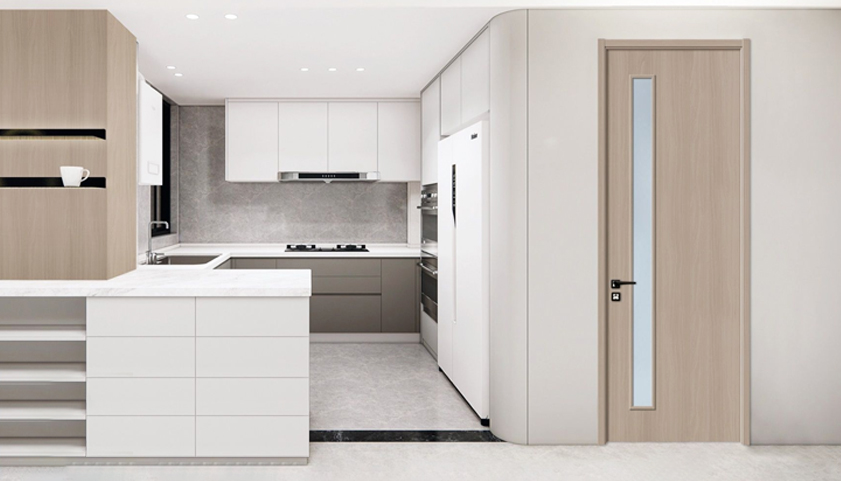
Glass Inserts and Decorative Features: Some interior doors integrate glass panels or carved designs while maintaining strength and stability.
The construction of popular interior doors significantly affects their performance, durability, and appearance. Understanding core materials, veneer application, frame structure, finishing techniques, and hardware integration allows homeowners and designers to make informed choices. ZHEJIANG JIANGSHAN XUPAI DOORS ., LTD. emphasizes meticulous construction and quality control, providing doors that are both visually appealing and functionally reliable. By appreciating the technical aspects of door construction, buyers can select products that meet their aesthetic preferences and practical needs for years to come.
