
 English
 中文简体
中文简体Maintaining timber veneer doors requires attention to detail, from selecting the correct size and finish to proper installation and regular maintenance. ZHEJIANG JIANGSHAN XUPAI DOORS ., LTD. provides a wide range of popular interior doors designed to suit diverse spaces while balancing durability, aesthetic appeal, and ease of maintenance.
1. Choosing the Correct Size
Height and Width: Measure the door frame carefully, taking floor level, skirting, and molding into account. Standard interior door heights are often 78–80 inches, but custom sizes may be necessary for non-standard openings.
Door Thickness: Typically, interior doors range from 35mm to 45mm thick. Correct thickness ensures compatibility with hinges, locks, and handles.
Swing Direction: Determine whether the door should swing inward or outward and whether it opens to the left or Correct. Incorrect swing direction can interfere with furniture placement and room functionality.
Multi-Point Measurements: Measure the frame at top, middle, and bottom to account for uneven walls or floors.
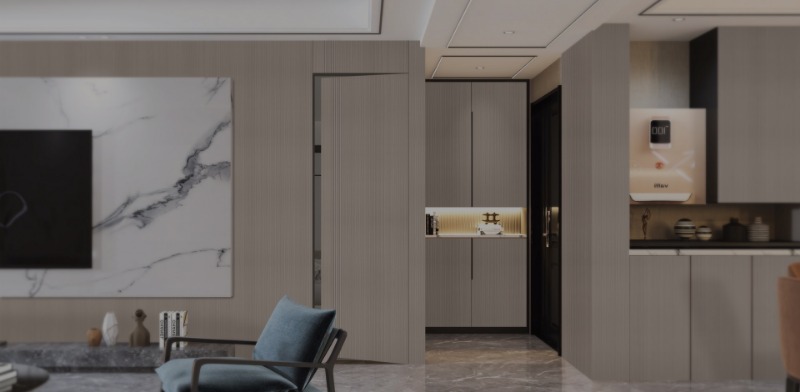
2. Selecting the Finish
Natural Veneer: Highlights wood grain patterns and provides a warm, premium look. Ideal for living rooms, studies, and bedrooms.
Painted Veneer Doors: Can be painted to match wall colors or interior themes while maintaining a smooth, refined finish.
Stains and Clear Coatings: Stains enhance wood color, and clear coatings protect against minor scratches and moisture.
High-Use Areas: For hallways, kitchens, or offices, consider finishes that are more resistant to wear and cleaning.
3. Installation Tips
Professional Installation Recommended: Skilled installers ensure correct alignment, smooth swing, and secure attachment of hinges and locks.
Check Frame Compatibility: Ensure the door frame is level and square; uneven frames may require minor adjustments such as shimming or trimming.
Edge Clearance: Maintain sufficient clearance at the bottom and sides to prevent scraping on flooring or interference with rugs and mats.
Hardware Pre-Installation: Pre-drilled hinge and lock positions ensure proper fitting and reduce the risk of veneer damage.
4. Daily Care and Maintenance
Cleaning Routine: Wipe doors with a soft, dry, or slightly damp cloth. Avoid abrasive cleaners or strong chemicals that may damage the veneer finish.
Moisture Control: Avoid exposing doors to excessive water. Ensure proper ventilation in humid areas such as kitchens and bathrooms.
Handling Tips: Prevent impacts from furniture or other heavy objects, and avoid dragging items across the door surface.
Regular Inspection: Periodically check hinges, handles, and locks. Tighten screws and apply touch-up coatings or polish to maintain appearance.
5. Advanced Care Tips
UV Protection: Avoid prolonged exposure to direct sunlight, which can cause discoloration or fading over time.
Temperature and Humidity Monitoring: Keep indoor humidity at moderate levels to prevent warping or swelling.
Minor Repairs: Use veneer touch-up kits for scratches or chips.
Seasonal Checks: In regions with significant seasonal humidity changes, inspect the door fit and clearance twice a year.
6. Usage Scenarios and Recommendations
Residential Spaces: Bedrooms, living rooms, kitchens, and home offices benefit from timber veneer doors for both aesthetics and durability.
Commercial Applications: Offices, boutique shops, and hotel interiors use timber veneer doors to create a refined, professional atmosphere.
Renovation Projects: Replacing old or damaged doors with new timber veneer interior doors instantly upgrades the look of a space and can improve insulation and noise reduction.
7. Long-Term Benefits
Durability and Longevity: With proper sizing, installation, and maintenance, timber veneer doors provide years of reliable performance.
Visual Appeal: Natural wood grain or custom finishes enhance interior aesthetics.
Functional Advantages: Correctly installed doors improve privacy, sound insulation, and energy efficiency while remaining easy to operate.
