
 English
 中文简体
中文简体Choosing popular interior doors can dramatically improve the appearance and value of your home. However, buyers often face unexpected challenges during selection, delivery, and installation. Understanding these common issues ahead of time can prevent frustration and ensure a smooth experience. ZHEJIANG JIANGSHAN XUPAI DOORS ., LTD. specializes in crafting a wide range of doors designed to balance beauty, durability, and ease of installation.
1. Surface Imidealions
Scratches and Dents: Timber veneer doors have a delicate natural wood surface. During transport or installation, minor scratches or dents can occur if handled carelessly.
Grain and Color Variation: The veneer is natural wood, so variations in grain pattern and color are normal. While some homeowners appreciate this uniqueness, others may prefer uniformity.
Handling Tips: Always handle doors with gloves and avoid sliding them across rough surfaces. Inspect the surface immediately upon delivery to address any visible damage.
2. Warping and Swelling
Causes: Timber veneer doors can warp or swell due to humidity changes, prolonged exposure to moisture, or improper storage conditions.
Prevention: Store doors flat in a dry, climate-controlled area before installation. Avoid placing them directly on wet floors or in damp basements.
Engineering Solutions: Doors from ZHEJIANG JIANGSHAN XUPAI DOORS ., LTD. use engineered cores such as MDF or HDF to minimize warping while retaining the natural wood look.
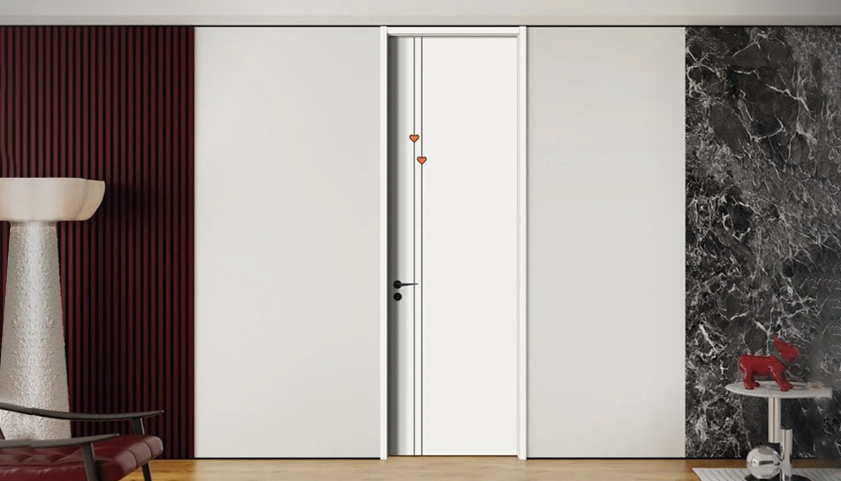
3. Misaligned Hardware
Hinges and Handles: Even minor misalignment during factory preparation or installation can cause the door to not close properly.
Problems Observed: Doors may stick, produce squeaking sounds, or have uneven gaps along the frame.
Solution: Double-check hinge positions before final installation. Experienced installers can adjust alignment without damaging the veneer.
4. Incorrect Door Size
Measurement Errors: Ordering doors that are too large or too small is a common problem. This often happens when only approximate measurements are taken or door swing direction is ignored.
Impact: Doors may scrape the floor, fail to latch, or leave unwanted gaps, reducing privacy and insulation.
Tips for Buyers: Measure height, width, and thickness precisely. Consider the swing direction and any flooring variations. Provide exact dimensions to your supplier for custom doors.
5. Finish Compatibility
Paint, Stain, or Clear Coating: Timber veneer doors come pre-finished or unfinished. Applying incompatible paints or stains can damage the surface.
Maintenance: High-traffic areas, such as hallways or offices, may require additional protective coatings to prevent scratches or color fading.
nicely Practices: Consult the supplier for recommended paints or finishes. Avoid harsh cleaning chemicals and use soft cloths for routine maintenance.
6. Installation Challenges
Uneven Walls and Floors: Older buildings often have frames that are not ideally square, which can complicate installation.
Adjustment Solutions: Professional installers can trim edges, add shims, or adjust frames to ensure the door fits flush without stressing the veneer.
DIY Considerations: Inexperienced installation may result in scratches, gaps, or poor hinge alignment. For timber veneer doors, small mistakes can be visible and difficult to fix.
7. Long-Term Care and Usage Tips
Avoid Direct Sunlight: Excessive sunlight may fade or discolor the veneer over time.
Humidity Control: Maintain a moderate indoor humidity level to prevent warping.
Regular Inspection: Check hinges, handles, and surface condition periodically. Address minor scratches with recommended touch-up kits.
Cleaning: Use a soft, dry cloth or slightly damp cloth. Avoid abrasive cleaners or harsh chemicals that can damage the veneer finish.
