
 English
 中文简体
A door may open and close smoothly when first installed, but repeated daily use can reveal problems that are not obvious during an initial inspection. Misalignment, loose hardware, uneven gaps, and difficult locking can affect convenience and create additional maintenance work. For property developers, door distributors, and commercial project buyers, evaluating a PVC Door should therefore involve more than checking its appearance or material description. Structural design, hardware compatibility, assembly accuracy, and the intended frequency of use all influence how the finished door performs over time.
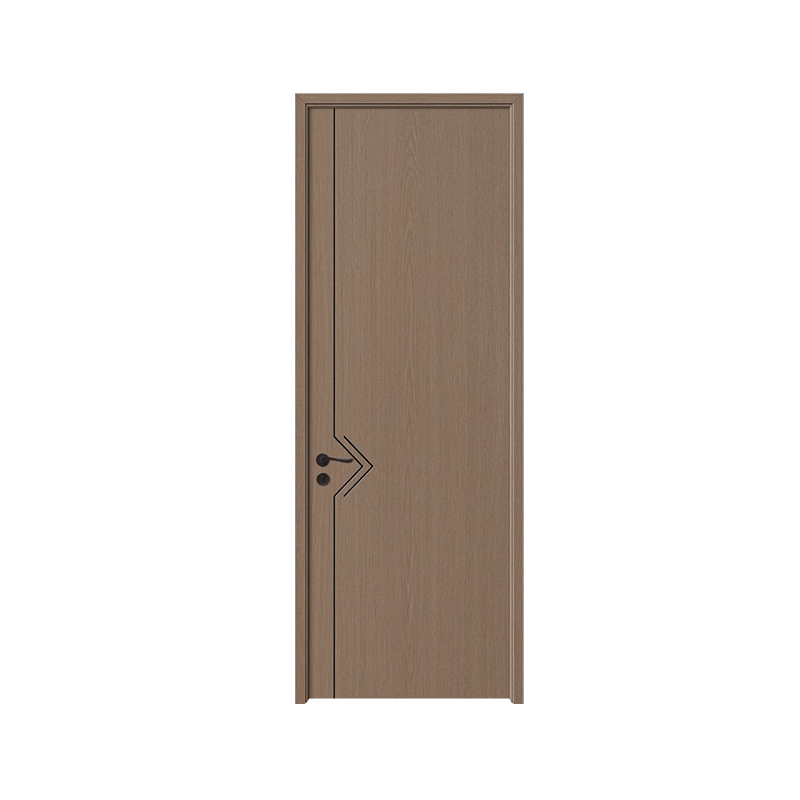
Understand What Supports the Door Leaf
The stability of a door depends on the relationship between the frame, door leaf, hinges, reinforcement where applicable, and other structural components. If these elements are poorly matched, the door may become difficult to operate or maintain its intended alignment.
Buyers should consider the door's dimensions, configuration, expected use, and installation conditions when reviewing a product specification. Larger door leaves and frequently used entrances may require particular attention to the structural arrangement and hardware capacity.
From a manufacturing perspective, these requirements should be considered during product development rather than addressed only after assembly. Matching the components to the intended application creates a more appropriate basis for stable operation.
Pay Attention to Hinge and Hardware Compatibility
Hinges carry the door leaf and allow it to move relative to the frame. Their suitability depends on factors such as door configuration, weight, fixing arrangement, and expected operating frequency.
If the hardware is unsuitable or installed inaccurately, the door may develop alignment problems. Buyers should therefore confirm the available hinge options, fixing positions, and compatibility with the selected PVC Door design.
Locks and handles also need to work with the door structure. A locking point that does not align properly with its receiving component may make closing more difficult, even if the door leaf and frame are otherwise in good condition.
Manufacturers should check hardware positioning and operating function as part of the assembly and finished-product inspection process.
Consider Reinforcement and Profile Design
PVC door profiles provide the basic shape of the frame and door leaf, but the structural requirements vary according to the product design and intended use. Reinforcement may be incorporated where required to support stiffness and hardware fixing.
The appropriate configuration depends on factors including dimensions, panel design, hardware arrangement, and specified performance requirements. Buyers should avoid assuming that all profiles use the same internal structure or that a heavier-looking profile is automatically more suitable.
A manufacturer can review the intended application and determine which profile and reinforcement arrangement fits the design. Clear technical specifications help buyers understand the construction rather than relying on external appearance alone.
Inspect Assembly Accuracy Before Shipment
Manufacturing consistency plays an important role in how a finished door operates. Small variations in frame squareness, joint assembly, hinge placement, or locking alignment can affect opening and closing performance.
A practical factory inspection may include:
- Checking overall dimensions and frame alignment
- Inspecting profile joints and assembly condition
- Verifying hinge and hardware installation
- Testing opening, closing, and locking functions
- Reviewing visible surface defects
- Confirming product identification against the order specification
The inspection criteria should reflect the actual door design and agreed requirements. Consistent checks help identify assembly issues before products are packed and dispatched.
Match the Door to Its Daily Operating Environment
A door in a rarely used storage room faces different demands from one serving a busy commercial entrance. Operating frequency, exposure to moisture, temperature variation, and the way occupants use the door can all affect maintenance needs.
When requesting a PVC Door, buyers should explain whether it is intended for residential, commercial, or other applications and identify any special operating requirements. This information helps the manufacturer assess suitable hardware and construction options.
It also supports more realistic product specifications. Selecting a door based on its intended environment is more useful than expecting one configuration to suit every installation.
Make Maintenance Requirements Clear
Even a properly manufactured door benefits from suitable installation and routine care. Hardware may need periodic inspection, while dirt around moving parts or locking points can interfere with normal operation.
Manufacturers should provide clear instructions for installation, cleaning, and hardware maintenance where applicable. Buyers supplying multiple project sites can also benefit from consistent documentation so installers and facility teams understand the product's care requirements.
If a door becomes difficult to operate, the cause should be assessed rather than assuming the profile material is responsible. Alignment, hardware condition, installation, and environmental changes may all require consideration.
Select a PVC Door for Consistent Everyday Use
A dependable PVC Door relies on suitable profile design, compatible hardware, accurate assembly, and inspection against defined requirements. For overseas buyers, discussing door dimensions, operating frequency, installation conditions, and maintenance expectations with the manufacturer helps establish a more appropriate specification. Evaluating these factors before purchase supports better product selection and helps reduce avoidable operating issues after installation.
