
 English
 中文简体
A finished door can leave the factory in good condition yet arrive at the installation site with scratches, damaged corners, missing accessories, or alignment problems caused by improper handling. For overseas distributors, construction contractors, and building material buyers, protecting product quality requires attention to more than manufacturing alone. Packaging, loading, transportation, storage, and site preparation all influence the condition of a PVC Door before it is installed. Planning these stages carefully helps reduce avoidable damage and makes project delivery easier to manage.
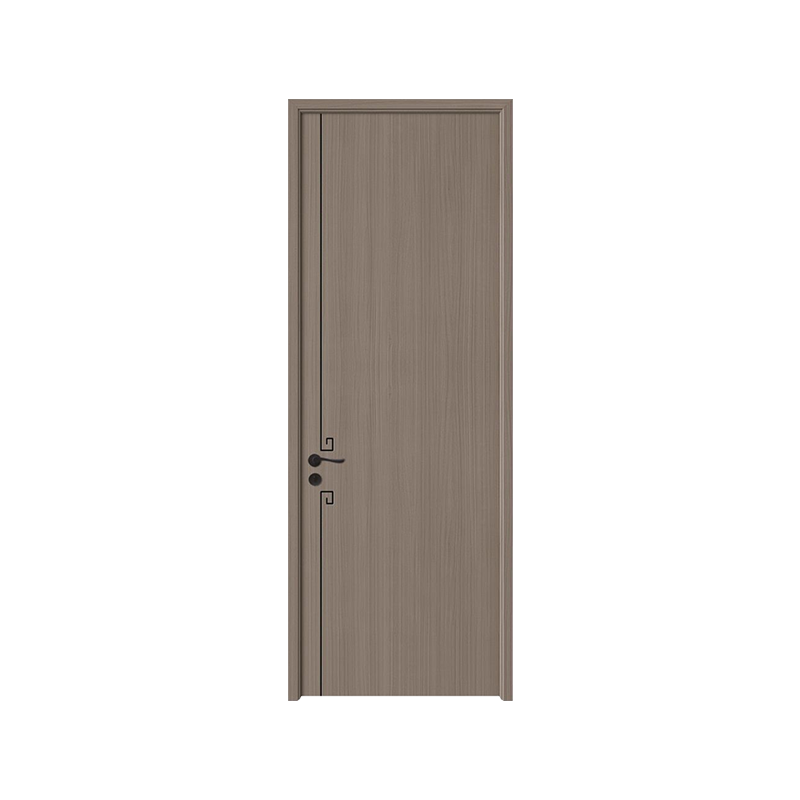
Design Packaging Around the Finished Product
PVC doors come in different dimensions, profile configurations, surface finishes, and hardware arrangements. Packaging should reflect these differences rather than treating every door as an identical item.
The frame corners and visible surfaces may need particular protection during handling. Suitable separators, protective wrapping, and stable positioning can help reduce friction and impact when products are moved or stacked. Packaging should also prevent accessories from shifting against finished surfaces.
As a manufacturer, evaluating packaging during order preparation helps ensure that the protection method matches the product configuration. Buyers should confirm packaging details before shipment, especially when several door sizes or finishes are included in the same order.
Prevent Damage During Loading and Unloading
Door frames and panels can be exposed to impact, twisting, or uneven pressure when products are lifted or moved. Poor positioning may also cause items to slide against one another during transportation.
Handling instructions should specify how packages are supported, where lifting equipment can be used, and whether any stacking restrictions apply. Packages should be secured appropriately for the transportation method, with attention to movement during loading, unloading, and transit.
Buyers arranging international shipments should clarify handling requirements with the manufacturer before dispatch. Clear instructions help warehouse and logistics teams understand how the products should be moved without placing unnecessary stress on the finished assemblies.
Keep Products in Suitable Storage Conditions
After delivery, doors may remain in a warehouse or on a construction site before installation. Storage conditions during this period can affect the product's condition, particularly when packages are exposed to direct sunlight, moisture, dust, or uneven support.
Doors should be stored according to the manufacturer's instructions, in a location suitable for the product and packaging. They should not be placed where other materials can press against the frame or where site activities may cause accidental impact.
For project buyers, coordinating delivery with the installation schedule can reduce the time products remain exposed at the site. A planned receiving and storage area also makes it easier to separate different door models and keep accessories organized.
Check the Shipment Before Signing Off
Receiving inspections help identify visible problems while shipment information is still readily available. Waiting until installation begins may make it harder to determine when damage occurred or whether all ordered items were delivered.
A practical receiving check can include:
- Comparing quantities with the purchase order
- Checking packaging for visible damage or moisture
- Inspecting accessible frame corners and finished surfaces
- Confirming product labels and model identification
- Checking that specified hardware and accessories are included
- Photographing and documenting any apparent damage
If a problem is found, buyers should record the affected items and contact the supplier before proceeding with installation or altering the product.
Keep Accessories and Door Models Organized
Large projects may contain several door sizes, opening directions, colors, and hardware configurations. Mixing these items can lead to installation delays even when the products themselves are undamaged.
Clear package labels should identify the relevant model and, where applicable, its intended room or project area. Smaller accessories can be packed and identified in a way that reduces the risk of loss or confusion.
Manufacturers can help by agreeing on labeling and packing-list requirements before production is completed. Buyers can then organize receiving and distribution around the information provided with each shipment.
Prepare the Opening Before Removing Protection
Installing a door before the opening has been checked can expose the product to unnecessary handling. Incorrect dimensions, uneven surfaces, or incomplete preparation may require repeated repositioning, increasing the chance of scratches or impact damage.
Before installation, the site team should verify the opening dimensions, installation conditions, and required clearances. Protective packaging should be removed at the appropriate stage according to the product instructions, while finished surfaces should remain protected during nearby construction work.
If the opening does not match the approved specifications, the discrepancy should be addressed before the door is forced into position or modified without authorization.
Coordinate Delivery From Factory to Site
Protecting a PVC Door requires cooperation between manufacturing, packaging, logistics, receiving, and installation teams. For overseas buyers, confirming packaging methods, delivery schedules, storage requirements, and inspection procedures with the manufacturer creates a clearer process from dispatch to installation. Good handling practices help preserve the finished product, reduce avoidable site disruptions, and ensure that the door can be assessed and installed in the condition intended by the manufacturer.
