
 English
 中文简体
中文简体Solid wood interior doors are treasured by many homeowners for their warmth, sound insulation, and classic appearance. Yet some users have wondered why these doors sometimes exhibit warping, cracking, or changes in fit over time. This curiosity extends to both traditional wooden doors and stylish Deco paint wooden doors installed throughout living spaces.
What Causes Warping and Movement?
One common observation is that solid wood interior doors can change shape slightly after installation. Wood is a natural material that absorbs and releases moisture depending on humidity levels. High humidity can cause expansion, while very dry indoor air can cause contraction. This movement can contribute to slight bowing or misalignment against the frame over months or years, especially in regions with fluctuating seasons or indoor climates not controlled with HVAC systems.
Another factor is temperature variation between rooms. For example, a bedroom with open windows in summer may create a wetter air environment than a centrally heated hallway. Over time, these conditions may cause doors to fit less snugly or rub against jambs, which some owners might mistake for a defect.
Why Painted Wooden Doors Show Cracks or Peeling
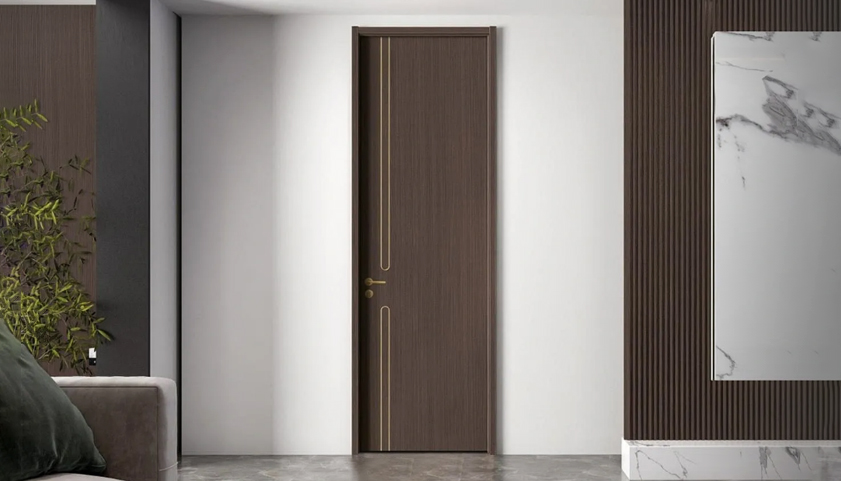
Questions also arise about Deco paint wooden doors and finish issues. Painted surfaces can highlight small wood movements or micro-cracks. Wood expands and contracts beneath the paint layer, and if the paint has less flexibility, the finish can begin to flake, chip, or develop small fissures. Painted finishes on wooden doors provide excellent visual appeal, but they demand thoughtful surface preparation and quality paint types designed for flexibility over solid timber.
For households near humid areas such as bathrooms or laundry spaces, regular exposure to moisture can be more pronounced and contribute to paint peeling sooner than expected. Such peeling isn’t purely aesthetic — it signals that moisture is penetrating the paint and interacting with the wood beneath.
What Homeowners Can Do to Protect Their Doors
Users have asked about practical ways to minimize these problems. A balanced indoor environment with moderate humidity levels often helps stabilize wood doors’ performance. Using dehumidifiers in summer and maintaining consistent indoor temperatures can significantly reduce expansion and shrinkage cycles.
Routine cleaning with gentle wood-safe products prevents grime from building up and avoids hidden moisture traps. Avoid using bleach, excess water, or harsh abrasive cleaners, which can degrade paint and penetrate wood fibers.
Maintenance also includes periodic inspection of door hardware. Loose hinges, sagging frames, or misaligned latch plates can make any door feel warped or sticky. Tightening screws and ensuring frames remain square helps preserve smooth operation.
Should You Expect Some Natural Aging?
It’s worth noting that some degree of change over years is normal with authentic wooden products. Solid wood interior doors and Deco paint wooden doors both offer superior aesthetic and acoustic qualities that engineered alternatives may lack. However, their natural makeup means they respond to their environment — a characteristic known to craftsmen and woodworkers alike.
For homeowners seeking long-term stability, choosing appropriately seasoned wood, high-quality paints with UV resistance, and proper installation help extend the life and beauty of these doors.
Warping, cracking, and paint changes are not necessarily signs of poor quality. Rather, they reflect how real wood interacts with daily life. With proactive care and mindful environmental control, solid wood interior doors and Deco paint wooden doors can perform beautifully and last decades. Questions about specific situations are welcome — understandable given how integral doors are to home comfort and style.
