
 English
 中文简体
中文简体As interior spaces become more flexible, the role of a door is changing from a simple divider to a component that contributes to privacy, comfort, and the overall character of a room. Bedrooms, hotel rooms, home offices, meeting rooms, and apartment interiors can all have different expectations for sound control and privacy. For manufacturers, this means a Room Door needs to be designed around its intended application rather than treated as a standard panel with a decorative surface. Construction, sealing, hardware, and material selection all influence the finished product.
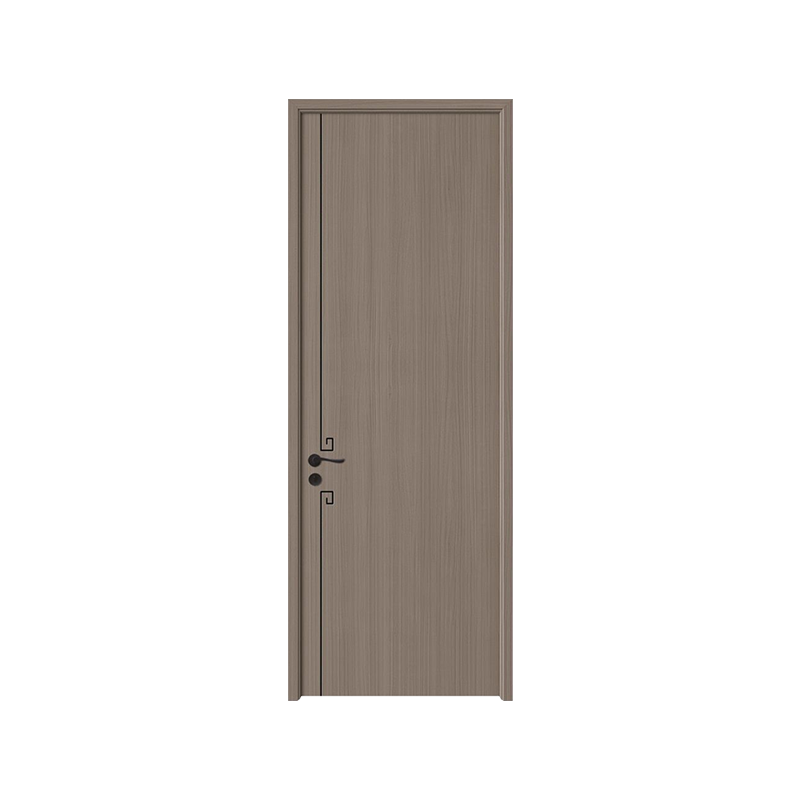
Privacy Starts With the Door Structure
Visual privacy is only one part of creating a comfortable room. The construction of the door itself can influence how sound travels between adjacent spaces. A lightweight decorative design may suit one application, while a more substantial door structure may be appropriate where greater separation is required.
During product development, we consider the relationship between the door leaf, internal construction, frame, and installation method. This allows the door specification to be developed according to the environment instead of applying the same structure to every project.
Door Gaps Deserve Engineering Attention
Even a well-constructed door can lose part of its intended privacy performance if the surrounding gaps are not properly coordinated. Clearances around the door leaf, frame alignment, and sealing conditions can influence how effectively the closed door separates one space from another.
For this reason, our manufacturing process considers the door and its supporting components as a complete system. Dimensional accuracy and suitable component matching help create a more controlled fit after installation.
Material Selection Changes the Finished Experience
Different materials and internal structures can produce different combinations of weight, rigidity, surface appearance, and functional performance. Buyers may also need to balance design requirements with practical considerations such as handling, installation, durability, and project budget.
We work with customers to evaluate the intended application before confirming the construction. For residential projects, hospitality spaces, offices, and other interiors, the appropriate material and structure can be adjusted to suit the expected use rather than relying on one fixed specification.
Hardware Should Work With the Door
Hinges, locks, handles, and other hardware influence both operation and the final appearance of an interior door. Their position and compatibility with the door structure need to be considered during manufacturing.
For customized Room Door orders, we can incorporate specified hardware requirements into production planning. This helps avoid situations where the door design and hardware installation process are developed separately and later create fitting difficulties on site.
Modern Design Does Not Remove Functional Requirements
Minimalist interiors often favor flush surfaces, concealed hardware, warm wood finishes, and visually simple door profiles. These trends are increasingly visible in 2026 interior design discussions.
However, a simple appearance can require careful manufacturing. A flush door leaves fewer visual details to hide dimensional inconsistencies, uneven edges, or poorly aligned components. For manufacturers, achieving a clean appearance therefore requires coordination between structure, machining, finishing, and assembly.
Customization Helps Match Different Projects
A hotel renovation may require a different door configuration from a residential development or office project. Opening dimensions, wall construction, finish preferences, hardware, privacy expectations, and installation methods can all vary.
Our manufacturing approach allows these requirements to be reviewed before production. Depending on the project, customization may involve:
- Door dimensions and configurations
- Internal construction
- Surface materials and finishes
- Hardware preparation
- Frame and installation requirements
Early specification review helps reduce adjustments after production has started.
Consistent Production Protects Project Quality
For large construction and interior projects, the challenge is maintaining the same functional and visual standard across many doors. Differences in dimensions, finishing, hardware preparation, or assembly can become noticeable once products are installed throughout the same building.
As a manufacturer, we connect material preparation, door construction, finishing, assembly, and inspection within the production process. This gives distributors, contractors, developers, and project buyers a clearer path from customized specification to repeatable manufacturing.
For overseas buyers seeking a Room Door manufacturer, privacy and comfort should be considered together with structure, hardware, appearance, and installation requirements. By developing the door around the actual project instead of relying on a one-size-fits-all configuration, we can provide a more practical solution for modern residential, hospitality, and commercial interiors.
