
 English
 中文简体
中文简体In today’s construction and renovation market, purchasing decisions are no longer based solely on appearance. Developers, contractors, distributors, and architects are paying closer attention to durability, sustainability, maintenance requirements, and lifecycle costs. As a professional Solid Wood Door manufacturer, we have noticed growing demand from buyers seeking products that combine aesthetics with reliable performance. At the same time, procurement teams are searching for solutions that help reduce callbacks, installation issues, and long-term maintenance expenses.
The Shift Toward Natural and Timeless Materials
Recent design trends across Europe, North America, and the Middle East show increasing interest in natural materials. Homeowners and commercial property developers are moving away from overly synthetic finishes and looking for products that create warmth and authenticity.
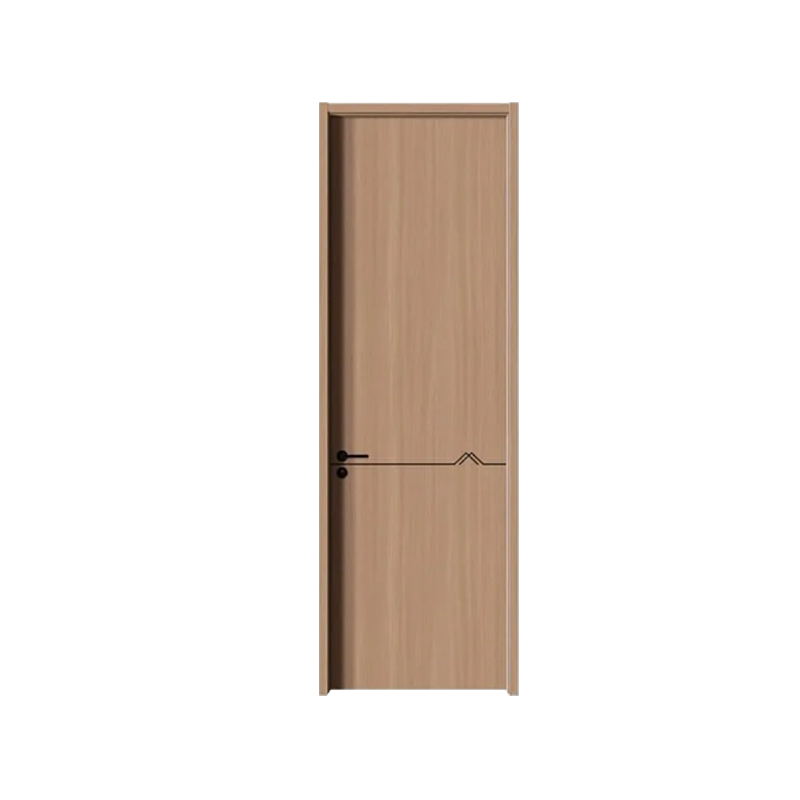
Solid wood doors fit this trend perfectly. Their natural grain patterns, texture, and visual depth make them suitable for residential projects, boutique hotels, luxury apartments, and premium office spaces. Unlike trend-driven materials that may quickly lose appeal, wood remains a timeless choice that adapts to both traditional and contemporary interiors.
Durability Matters More Than Initial Cost
One of the most common concerns among procurement managers is balancing budget and long-term performance. While lower-cost alternatives may reduce initial spending, replacement and maintenance costs can quickly add up.
When evaluating interior door solutions, buyers increasingly focus on:
- Structural stability over years of use
- Resistance to daily wear and impact
- Repairability instead of full replacement
- Consistent appearance across large projects
A well-manufactured solid wood door can often remain in service for many years when properly maintained, making it an attractive option for commercial and residential developments seeking long-term value.
Why Door Stability Has Become a Key Procurement Topic
Social media discussions among contractors frequently highlight issues such as warping, cracking, and dimensional changes caused by fluctuating humidity levels.
As manufacturers, we address these concerns through careful material selection, moisture control procedures, and precision production processes. Buyers should always ask suppliers about:
- Material Preparation Standards
- Wood moisture content control
- Storage environment management
- Production consistency
- Quality inspection procedures
These factors often have a greater impact on door performance than decorative finishes alone.
Customization Is Driving New Project Opportunities
Another growing trend is the demand for customized interior solutions. Developers increasingly want products that match specific project requirements rather than relying on standard designs.
Popular customization requests include:
- Unique veneer finishes
- Customized dimensions
- Acoustic performance options
- Fire-rated configurations
- Modern concealed hardware compatibility
- Coordinated door and wall panel systems
Manufacturers with strong customization capabilities can help buyers simplify procurement while maintaining a consistent design language throughout a project.
Sustainability Is Becoming Part of Every Tender
Environmental responsibility is no longer limited to premium developments. Many commercial projects now include sustainability requirements during supplier evaluation.
Buyers often ask questions such as:
- Is the timber sourced responsibly?
- Can documentation be provided for material traceability?
- What manufacturing practices are used to reduce waste?
- Are low-emission finishing systems available?
As environmental expectations continue to evolve, suppliers capable of supporting sustainability goals are becoming preferred partners in international markets.
Installation Efficiency Can Save Significant Project Costs
Door performance does not depend solely on manufacturing quality. Installation efficiency has become an equally important purchasing consideration.
Procurement teams increasingly prefer products designed for:
- Accurate dimensional consistency
- Simplified installation procedures
- Reduced on-site adjustments
- Better hardware compatibility
These factors help contractors complete projects faster while minimizing labor costs and project delays.
Choosing the Right Manufacturing Partner
Selecting the right supplier involves more than comparing quotations. Experienced buyers evaluate manufacturing capabilities, quality management systems, production capacity, customization support, and after-sales service.
As an experienced Interior Door Manufacturer, we recommend that buyers focus on supplier transparency, material quality control, project support capabilities, and long-term reliability rather than price alone. In today's competitive market, the most successful projects are often built on partnerships with manufacturers that consistently deliver quality, customization, and dependable service throughout the entire project lifecycle.
