
 English
 中文简体
中文简体When selecting the Correct interior for a home or office, timber veneer doors are among the more considered options. Understanding their differences, construction, and maintenance needs is essential to make informed choices. ZHEJIANG JIANGSHAN XUPAI DOORS ., LTD., a professional manufacturer of interior doors, offers a wide range of products to suit various design requirements.
1. Understanding Popular Interior Doors
Definition and Types: Popular interior doors typically include painted doors, laminated doors, solid wood doors, and MDF doors. They are widely used because they balance cost, durability, and style.
Design Variety: These doors are available in multiple finishes, colors, and patterns, making it easier to match any room’s decor, whether modern, classic, or transitional.
Durability and Maintenance: More popular interior doors are treated to resist scratches, moisture, and warping. Regular cleaning with a soft cloth keeps them looking new for years.
Typical Usage: They are commonly used in bedrooms, living rooms, and offices, where moderate traffic and standard interior environments prevail.
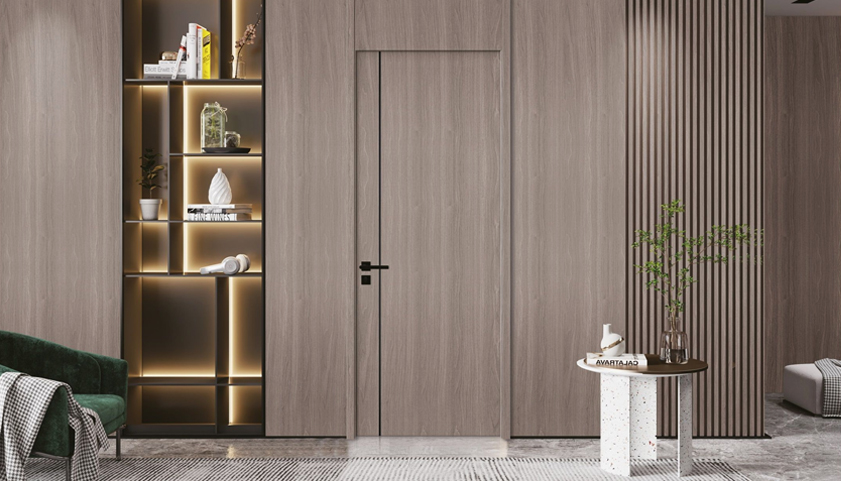
2. Features of Timber Veneer Doors
Construction Details: Timber veneer doors are built by applying a thin layer of natural wood over a stable core such as MDF, HDF, or engineered wood.
Aesthetic Appeal: The natural wood grain patterns of timber veneer doors provide a premium appearance, making them ideal for formal living spaces, offices, and high-visibility areas.
Customization Options: Timber veneer doors can be stained, painted, or finished with clear coatings to match the interior design theme.
Care and Maintenance: Avoid excessive moisture and direct sunlight exposure. Light polishing or oiling can maintain the sheen and prevent surface cracks.
3. Key Questions to Ask Before Buying
Material Quality: What species of wood is used for the veneer? Is the core made of MDF, HDF, or solid wood?
Finish Options: Can the finish be customized to match existing furniture or wall panels?
Durability Considerations: How does the door respond to humidity, heavy use, or impact?
Hardware Compatibility: Are hinges, handles, locks, and door closers included, and do they match the style of the door?
4. Installation Considerations
Accurate Measurements: Measure the door opening carefully to avoid gaps or misalignment. Consider door thickness, frame width, and clearance for handles.
Professional Installation Benefits: Skilled installers ensure correct alignment, smooth operation, and proper sealing against drafts and noise.
Adjustment Tips: Check for uneven flooring or walls; minor adjustments like trimming or sanding edges can ensure a ideal fit.
Safety Checks: Ensure the door swings freely and does not obstruct windows, furniture, or pathways.
5. Advantages of Choosing the Correct Door
Enhancing Interior Aesthetics: Doors are a central element of interior design. Choosing the Correct style and finish can unify the room’s look and feel.
Functional Benefits: Good doors provide noise insulation, privacy, and security, while contributing to energy efficiency by sealing rooms properly.
Long-Term Value: High-quality interior doors, whether popular designs or timber veneer doors, are long-lasting and maintain their visual appeal over time.
Design Flexibility: Both door types allow for creative customization, including glass inserts, panel designs, and decorative moldings.
6. Real-World Applications
Residential Homes: Bedrooms, living rooms, kitchens, and study rooms benefit from the durability and design flexibility of timber veneer doors and popular interior doors.
Commercial Spaces: Offices, boutique shops, and hospitality spaces often use timber veneer doors for a professional, upscale look without the expense of solid wood.
Renovation Projects: When upgrading older properties, replacing worn-out doors with modern popular interior doors or timber veneer doors can transform the space instantly.
