
 English
 中文简体
中文简体Modern interior spaces are moving toward cleaner visual lines, coordinated materials, and fewer unnecessary details. Doors are increasingly designed as part of the architectural composition rather than treated as separate functional elements. This shift creates new requirements for manufacturers: a Room Door needs to provide dependable daily performance while also fitting naturally into the wall, furniture, flooring, and overall interior concept. For overseas buyers, developers, and design professionals, the challenge is finding a door manufacturer that can translate these design expectations into consistent production.
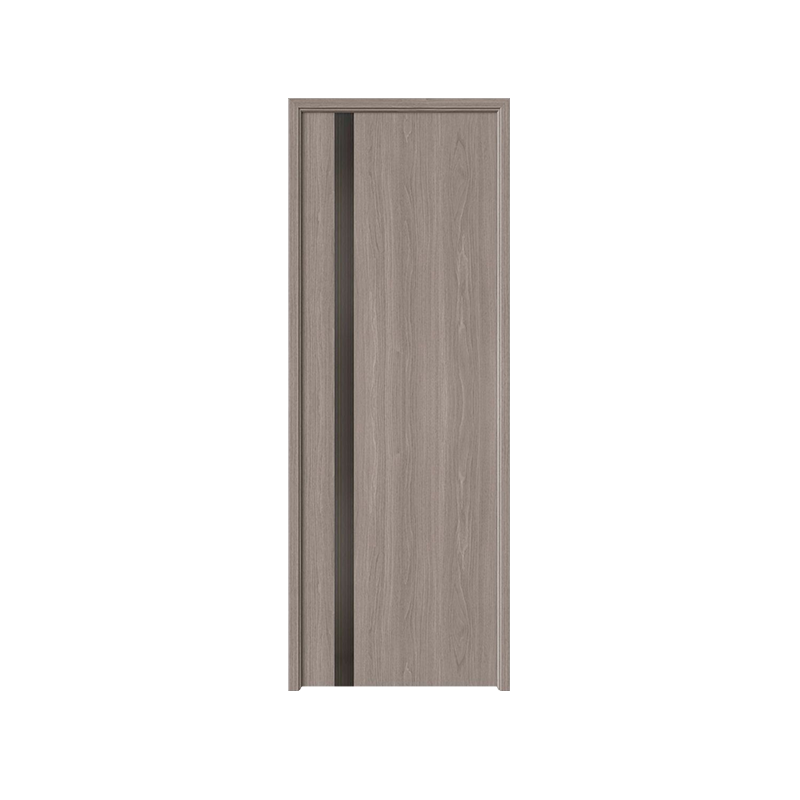
Flush Design Requires More Than a Flat Surface
Flush doors are gaining attention because their clean surfaces support minimalist interiors and create a more continuous visual transition between rooms.
However, achieving this appearance depends on more than the visible door panel. The relationship between the door leaf, frame, hinges, edges, and surrounding wall needs to be considered during manufacturing. A poorly coordinated structure can make even a simple design look visually uneven after installation.
As a manufacturer, we consider these connected elements when developing door configurations for specific projects.
Material and Finish Shape the Interior
Natural wood textures, warm tones, matte surfaces, and restrained decorative details are becoming more relevant in contemporary interiors.
For manufacturers, this trend creates a different production challenge: the finish needs to remain visually consistent while matching the construction and application requirements of the door. Veneer direction, surface treatment, edge finishing, and color coordination can all influence the final appearance.
For volume projects, consistent finishing is particularly important because multiple doors may be installed within the same corridor, apartment, hotel, or commercial space.
Door Proportions Can Change the Feel of a Room
The visual proportion of an interior door can influence how a space feels. Taller doors, wider openings, and simplified framing can contribute to a more open architectural appearance, while compact dimensions may be more suitable for spaces with practical limitations.
This does not mean every project should use oversized doors. Instead, manufacturers need to understand the relationship between the requested dimensions, installation conditions, door structure, and overall design concept before production.
Hardware Should Support the Design
Handles, hinges, locks, and other hardware are necessary for everyday operation, but they do not need to dominate the appearance of the door. Contemporary projects often favor concealed or visually restrained hardware to maintain a cleaner surface.
From a manufacturing perspective, hardware positioning needs to be coordinated with the door structure. Accurate preparation can make installation easier and help the finished door operate as intended without compromising the design.
Customization Is Becoming Part of the Specification
Modern interior projects rarely follow one universal template. Residential developments, hotels, apartments, offices, and renovation projects can have different opening dimensions, finish requirements, hardware preferences, and design standards.
Our manufacturing process can be organized around project-specific requirements, including door dimensions, surface finishes, panel configurations, and hardware preparation. Early specification review also helps identify potential conflicts between design expectations and production requirements before manufacturing begins.
Consistency Matters Across an Entire Project
A single sample may look satisfactory, but large projects require the same design language to remain consistent across many units. Differences in surface appearance, dimensions, edge treatment, or hardware positioning can become noticeable once multiple doors are installed together.
We therefore treat production consistency as part of the product itself. Manufacturing controls, inspection procedures, and clear specifications help maintain the intended appearance and function across repeated orders.
Design and Manufacturing Need to Work Together
The growing preference for seamless and customized interior doors creates opportunities for manufacturers that can combine design flexibility with practical production knowledge. Current interior design discussions continue to emphasize visual continuity, personalization, and materials that integrate with the wider space.
As a manufacturer, we approach each Room Door project by considering appearance, structure, dimensions, hardware, finishing, and installation requirements together. For overseas distributors, contractors, developers, and project buyers, this manufacturing-led approach provides a practical way to turn a modern interior concept into a consistent door solution ready for real-world production and installation.
